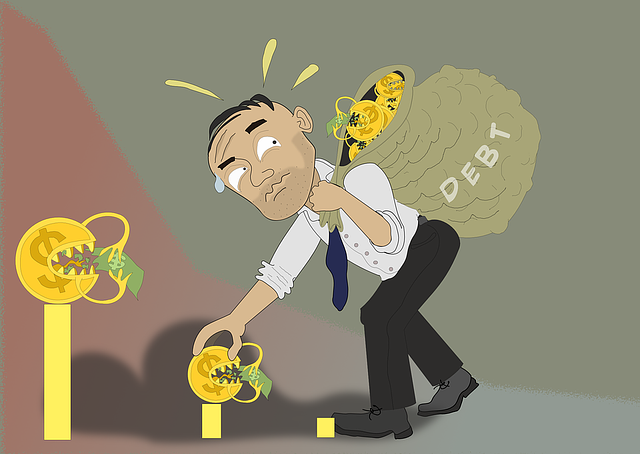
Title loans for college students offer quick cash but come with high-interest rates and potential fees that can lead to rapid debt accumulation. Defaulting may result in losing the collateralized vehicle. While refinancing options exist, it's crucial to weigh the broader implications, as what starts as a temporary fix can lead to long-term financial strain. Graduates should focus on swift loan repayment and consider alternative options carefully to manage debt effectively.
“Title loans for college students can offer short-term financial relief, but they often come at a steep cost, leading to long-term debt burdens. This article explores the intricate relationship between title loans and their lasting impact on students’ financial futures. We delve into how these loans, while seemingly quick fixes, can trap borrowers in a cycle of debt. Additionally, we provide strategies for effective repayment and offer insights into fostering financial wellness after graduation.”
- Understanding Title Loans: A College Student's Perspective
- Short-Term Relief vs. Long-Term Debt Burden
- Strategies for Repayment and Financial Wellness Post-Graduation
Understanding Title Loans: A College Student's Perspective

Title loans for college students have gained attention as a fast-cash solution for those in need. These short-term loans, secured against a student’s vehicle (car, motorcycle, or even semi truck), offer immediate funding in exchange for future repayment with interest. From a student’s perspective, this option presents itself as an accessible way to cover unexpected expenses or bridge financial gaps during their academic journey. However, the allure of easy access and minimal requirements can lead to a deeper debt trap if not managed responsibly.
Understanding the mechanics is crucial. Unlike traditional loans with fixed terms and interest rates, title loans often come with variable costs that can accumulate quickly due to high-interest rates and potential fees. Moreover, students should be aware that defaulting on these loans may result in losing their vehicle—a significant collateral. While loan refinancing options exist for those able to establish better financial footing, it’s essential to consider the broader implications of such decisions, especially for young adults navigating their first significant debt.
Short-Term Relief vs. Long-Term Debt Burden

Many college students turn to title loans as a quick solution to their immediate financial needs. These short-term fixes offer easy access to cash, often with less stringent requirements compared to traditional loans. Lenders target students’ vehicle ownership as an asset, providing funds in exchange for the car’s title, promising relief from mounting debts and unexpected expenses. However, what starts as a temporary fix can quickly escalate into a long-term debt burden.
The allure of no credit check and flexible loan terms might seem appealing, but these loans often come with high-interest rates and shorter repayment periods. Students, already navigating the challenges of higher education, may struggle to make timely payments, leading to a cycle of dependency and increasing financial strain. What began as a means to cover tuition or living expenses could result in years of financial hardship, affecting future opportunities and overall well-being.
Strategies for Repayment and Financial Wellness Post-Graduation

After graduation, navigating the world of post-educational financial management can be a daunting task, especially for those who have relied on title loans for college students as a means of funding their higher education. However, with careful planning and strategic repayment approaches, graduates can achieve financial wellness and stability. One effective strategy is to prioritize repaying the loan as soon as possible to minimize interest charges, which can significantly impact the overall cost. Many institutions offer flexible repayment plans tailored for recent graduates, making it easier to manage monthly installments while adjusting to new financial realities post-college.
Additionally, exploring alternative financial assistance options like boat title loans (for those with appropriate assets) or seeking professional guidance on managing debt can be beneficial. Quick approval processes for such loans can provide a temporary bridge during financial transitions, but it’s crucial to understand the terms and conditions to avoid long-term financial strain. Building a robust financial plan that includes budgeting, saving, and strategic borrowing will empower graduates to take control of their monetary future, ensuring they don’t get bogged down by student loan debt.
Title loans for college students can offer temporary financial relief, but they often lead to a cycle of long-term debt. Understanding the potential consequences and exploring alternative solutions like scholarships, grants, and responsible borrowing is crucial for alleviating debt burdens after graduation. By adopting strategic repayment plans and practicing financial wellness throughout their academic journey, students can avoid being weighed down by excessive debt, ensuring a brighter future with improved economic stability.